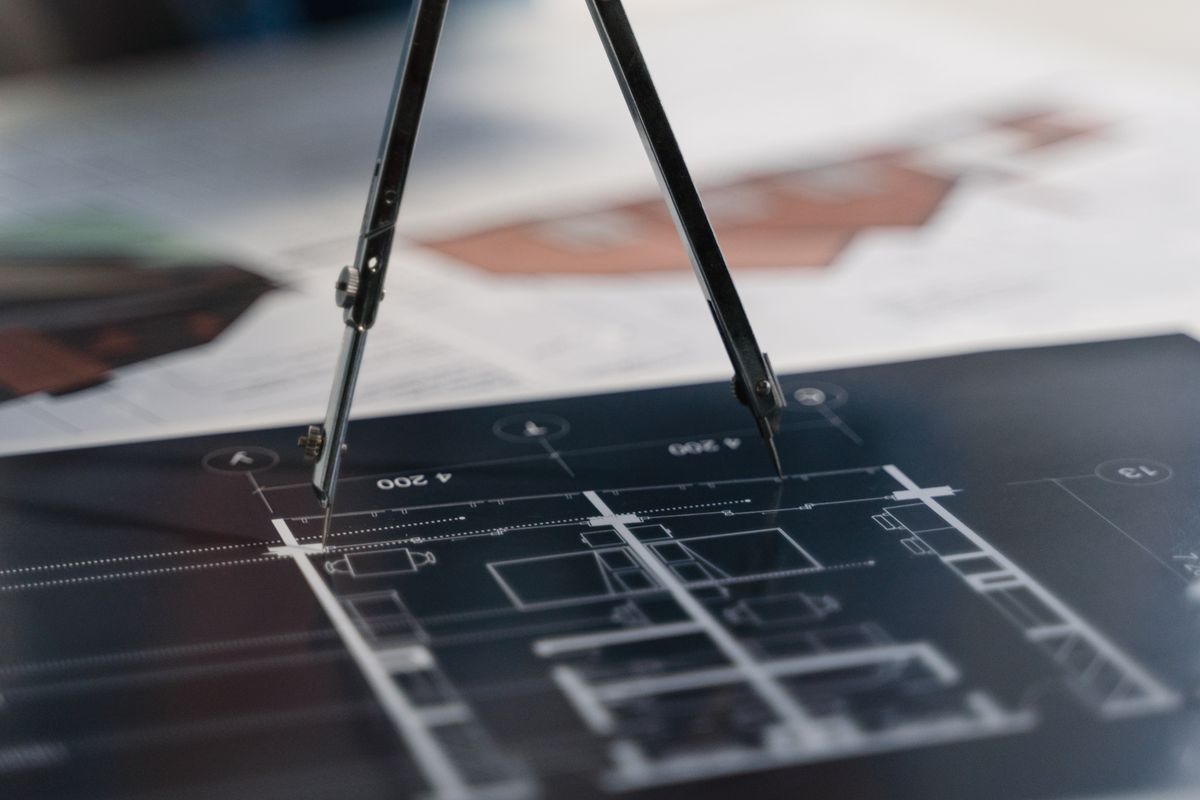
Concept Development
Turning an owner's intent into a defensible starting point: proportions, volumes, arrangement logic, and the constraints that will govern everything downstream.
Before a single plate is cut, the vessel already exists — in hull forms, load calculations, stability curves, and drawings detailed enough to build from. This is where every IMPERIS project actually begins.
Most of what determines whether a yacht is quiet at cruise, steady at anchor, and safe in a following sea is decided years before anyone sees it on the water. It's decided in a hull form, in a weight distribution study, in whether a structural member was sized for the load it will actually see or for the load that was convenient to calculate. A shipyard that buys its engineering from outside is, in effect, building someone else's vessel.
IMPERIS keeps naval architecture, structural engineering, systems design, and interior engineering entirely in-house. The practical consequence is that when a question comes up on the shop floor — a route that won't clear a bulkhead, a foundation that needs relocating — the person who drew it is in the same building, and the change is engineered rather than improvised. That continuity between drawing and steel is the single biggest reason our delivery dates hold.
From first concept to as-built documentation — every discipline that turns an intent into a vessel, kept under one roof.
Turning an owner's intent into a defensible starting point: proportions, volumes, arrangement logic, and the constraints that will govern everything downstream.
Exterior lines, superstructure massing, deck arrangement, and the visual identity of the vessel — developed alongside the engineering rather than imposed on top of it.
The discipline that makes the rest possible: hull form definition, resistance and powering, seakeeping behaviour, and the calculations that prove a vessel will do what it's meant to do.
Hull forms shaped for the vessel's real operating profile — efficiency at cruise, stability at rest, and behaviour in the sea states it will actually encounter.
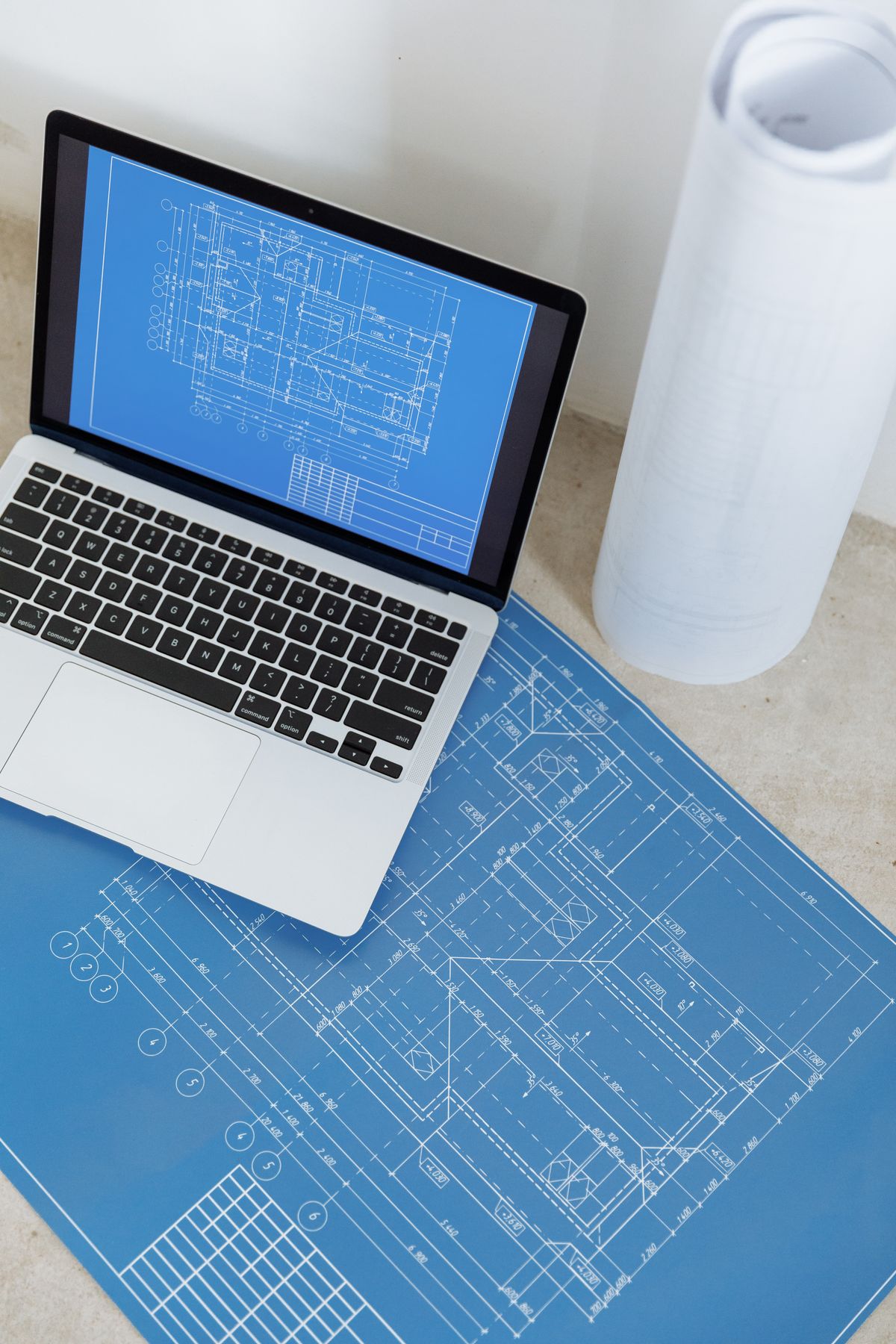
Intact and damage stability assessed against classification criteria, with the loading conditions the vessel will genuinely operate in rather than a convenient average.
A weight budget maintained from concept to delivery. Uncontrolled weight growth is the quietest way to lose speed, range, and trim — so it's tracked as a discipline, not checked at the end.
Scantlings, framing, and structural detailing calculated to class requirements — then detailed to be buildable by the people who'll actually weld it.
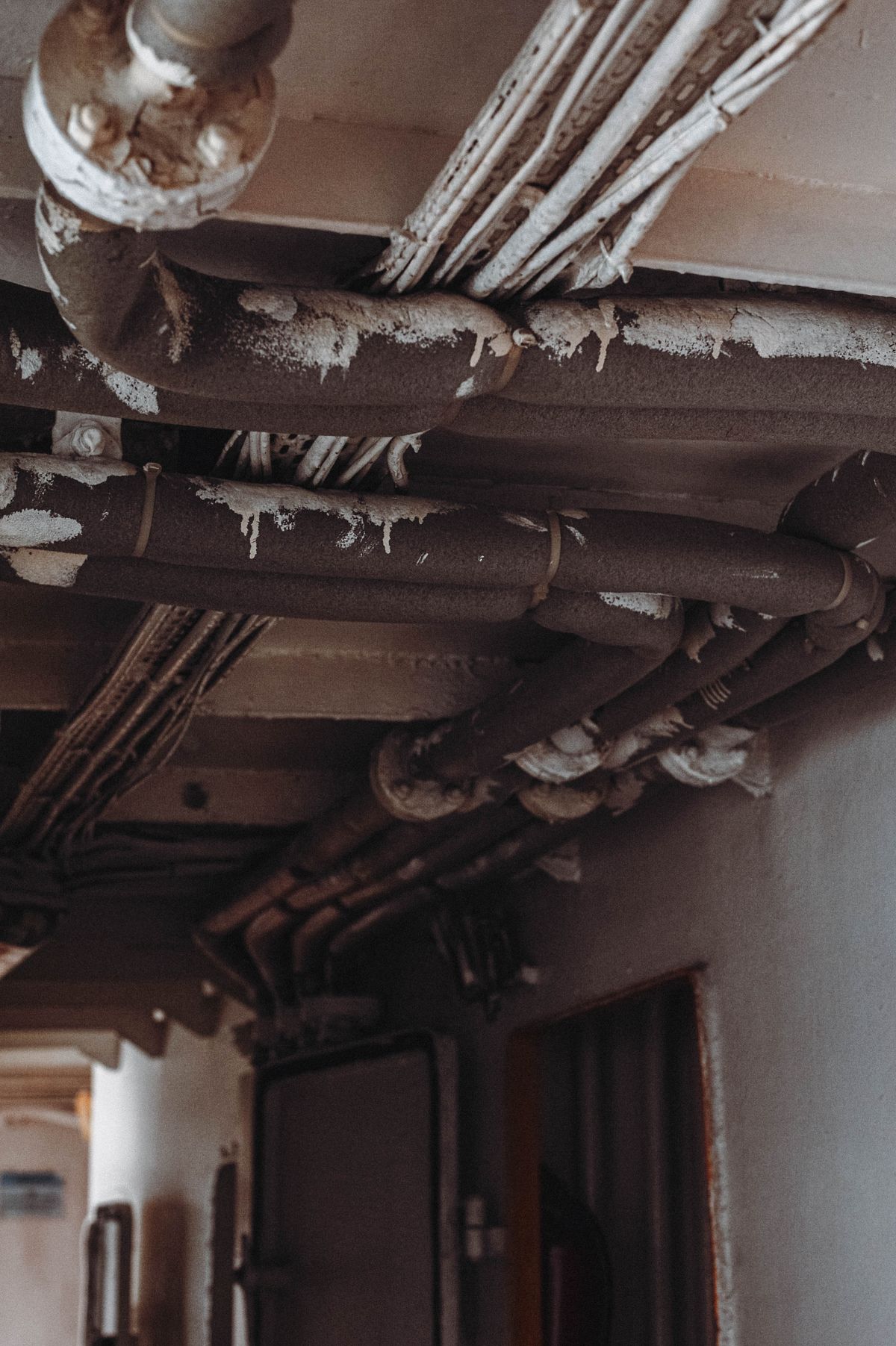
Machinery arrangement, piping systems, HVAC, and the access routes that decide whether maintenance is a task or an ordeal.
Power generation and distribution, load balancing, cable routing, and protection — designed for the real electrical demand of the vessel under every operating condition.
Engine, gearbox, shafting, and propeller matched as one system to the hull they're pushing — because propulsion chosen in isolation is how a vessel ends up slower than its specification.
Navigation, communications, monitoring, safety, and automation integrated so they behave as one vessel rather than a collection of unrelated equipment.
The structure behind the finish: joinery substrates, insulation, sound and vibration treatment, and the service routes hidden inside every panel.

A full digital model of the vessel, used to resolve clashes and verify access before anything is fabricated — the cheapest place to find a problem is on a screen.
Digital design carried straight through to machine-ready cutting files, so what was drawn is what gets cut.
Workshop-level drawings detailed enough to build from without interpretation, because every assumption left to the shop floor is a variation waiting to happen.
Designing for how the vessel will actually be built in our yard — plate sizes, weld access, lifting sequences, and fit-out order all factored in from the start.
As-built drawings, systems manuals, and maintenance records handed over with the vessel — so nothing has to be reverse-engineered years later.
Seventeen stages, in order, every time. The sequence isn't bureaucracy — it's what stops a decision made in month two from becoming a problem in month fourteen.
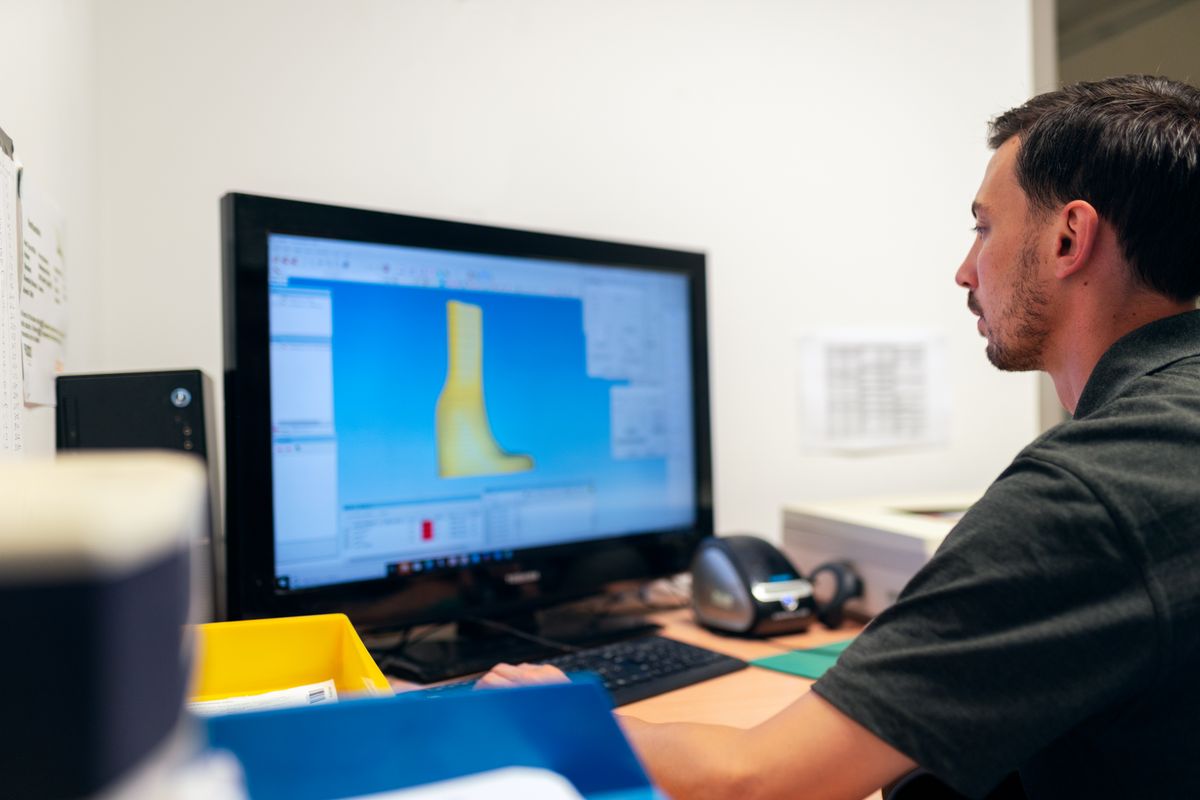
We start from how the vessel will be used, the waters it will run, and what the owner actually needs from it.
Before anything is promised, we test whether the brief is buildable within budget, class, and physics.
Proportions, arrangement, and the visual direction are fixed into a coherent starting point.
Hull form, resistance, powering, and stability are calculated and proven on paper first.
Every system and structure is engineered to a level detailed enough to fabricate from.
Steel, aluminium, composites, and finishes are chosen for the load, the environment, and the life expected of them.

Plates are cut, framed, and welded into the hull, inspected against class at every stage.
Decks and superstructure are built up and joined to the hull as one continuous structure.
Engines, shafting, piping, and machinery are installed and aligned to the drawings.
Power generation, distribution, cabling, and protection are run in and tested.
Joinery, insulation, and interior systems are fitted around the engineered service routes.

Fairing, coating, and finishing bring the vessel to the standard the owner will actually see.
Every system is powered up, set to work, and proven under real operating conditions.
Structure, systems, and finish are inspected against class and our own standards before trials.
Performance, handling, and systems are validated alongside and then at sea.
The vessel is handed over with full documentation, ready to operate from day one.
Scheduled maintenance, refit, and technical support keep the vessel earning long after handover.
A shipyard that only builds what it built last year eventually stops being an engineering company. Our R&D work runs alongside live projects rather than in a separate department, which means what we learn on one hull tends to show up in the next one. Some of it is incremental — a quieter engine mount, a better insulation build-up. Some of it changes the vessel entirely, like the shift toward hybrid propulsion and intelligent energy management that's now reshaping what owners expect a yacht to do at anchor without running a generator all night.

Bring us a brief, a sketch, or just a set of requirements — we'll tell you what it takes to engineer it properly.